
The evolution of gambling through the ages a historical perspective
Origins of Gambling in Ancient Civilizations
The roots of gambling can be traced back to ancient civilizations where it was often intertwined with religious and social practices. The earliest known forms of gambling date back to 3000 BC in China, where the use of dice and betting on outcomes was commonplace. Similarly, the Egyptians engaged in various games of chance, often playing with dice made from bones or wood. These early forms of gambling were not merely for entertainment; they played a significant role in societal bonding and ritualistic events. Today, you can find detailed information about this fascinating history at neosurf casino australia.

As cultures evolved, so did the methods and games associated with gambling. In ancient Rome, citizens often bet on chariot races and gladiator contests, highlighting how gambling was embedded in the fabric of daily life. These activities not only served as a source of entertainment but also as a means to showcase status and wealth among the populace, reinforcing the social hierarchy of the time.
The Middle Ages: Regulation and Transformation
The Middle Ages brought about a significant transformation in gambling practices, especially in Europe. With the rise of the church’s influence, gambling became a point of contention. Many religious leaders condemned gambling as a sin, leading to various regulations and bans across different regions. However, this did not deter people from playing; instead, it often pushed gambling underground or into private settings, making it more clandestine.
During this period, the introduction of card games, particularly in Italy and France, marked a new era in gambling. The popularity of games like Tarot and later, modern playing cards, offered a new dimension to gambling that was not reliant on chance alone, but also on skill and strategy. This shift laid the groundwork for the complex games of chance that we know today.
The Birth of Modern Gambling in the 17th Century
The 17th century heralded a new phase in the evolution of gambling with the establishment of public casinos and betting houses. The first official casino opened in Venice, Italy, in 1638, serving as a model for future establishments across Europe. This period also saw the formalization of rules and regulations, making gambling more structured and accessible to the public.
As gambling gained popularity, various games, such as roulette and baccarat, were developed, further enhancing the gambling landscape. The rise of betting on sports events, particularly horse racing, also became a hallmark of this era, solidifying gambling as a staple of social leisure activities. This period set the foundation for modern gambling, combining entertainment with the thrill of chance and competition.
Technological Advancements and the Online Revolution
The 20th century witnessed remarkable technological advancements that transformed gambling once again. The introduction of slot machines in the early 1900s brought a new level of excitement to gambling venues, leading to their widespread adoption in casinos. The creation of digital technology in the late 20th century paved the way for the online gambling boom, allowing players to engage in their favorite games from the comfort of their homes.
Online casinos have proliferated since the late 1990s, offering an extensive array of games and betting options. The accessibility and convenience of online gambling have attracted millions of players globally, leading to the development of various payment methods, including e-wallets and cryptocurrencies. These advancements have not only changed how games are played but have also raised discussions about responsible gambling practices and regulations in a digital age.
The Future of Gambling and Its Online Evolution
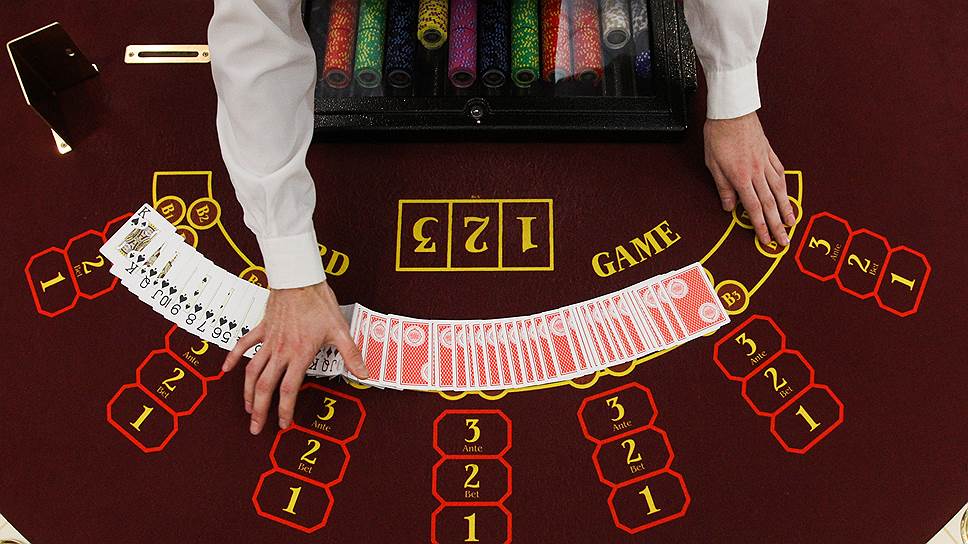
As we look to the future, the evolution of gambling continues to unfold, particularly in the realm of online platforms. The rise of mobile gaming and virtual reality has opened new avenues for players, creating immersive experiences that were previously unimaginable. Online casinos are now focusing on enhancing user experience, offering live dealer games that simulate the ambiance of traditional casinos.
With increased interest in responsible gambling and player protection, platforms are also emphasizing safer gaming environments. The future of gambling promises to be dynamic, combining technological innovation with a commitment to ethical practices, ensuring that players can enjoy their favorite pastime responsibly and securely.
Leave a Reply